

Sustainable value chains
Our current supply chains, too often overly complex and linear, hide social and environmental risks and so undermine their own future resilience. On average, companies’ supply chain emissions are 11 times higher than direct emissions at their own sites. Because Belgium produces most of its consumer goods abroad, the environmental damage and risks of human rights violations often fall elsewhere, but the responsibility remains here.

How can we tackle this together?
The transition to transparent, fair and circular value chains requires cooperation at every stage. That means working with partners to articulate clear sustainability criteria, exploring innovative solutions and reducing the total footprint of products and services at each stage.
In The Shift’s communities of practice, you’ll work with other companies, experts and policymakers to make your value chains more sustainable:

Impact stories
Discover the practical steps our members are taking in their value chains and get inspired by real stories.
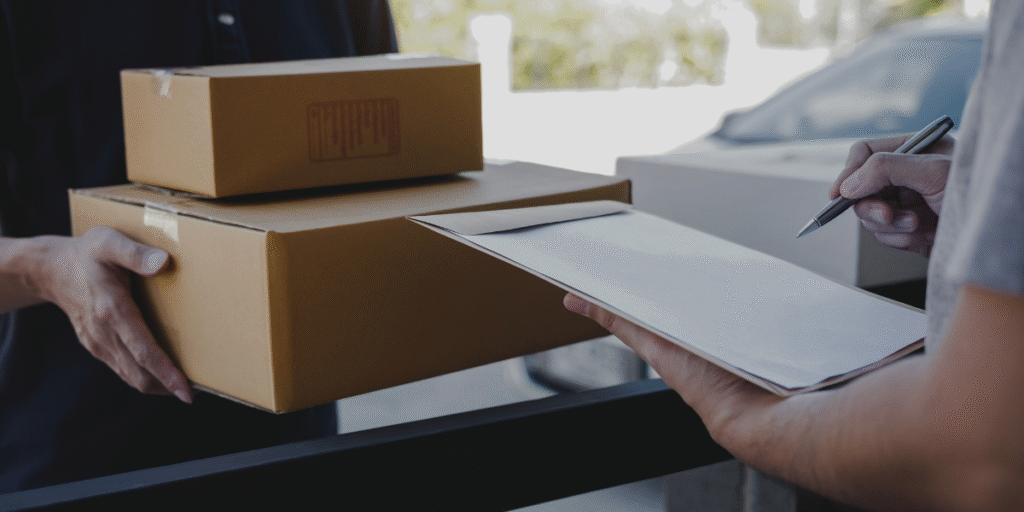
How bpost involves suppliers in the climate narrative
A low-carbon supply chain requires cooperation. Lies De Meyer (bpost) shares how data, dialogue and learning from others make a difference.

Velux and ArcelorMittal: partners in circularity
Sabine Pauquay (Velux) and ArcelorMittal show how strong cooperation can dramatically reduce CO₂ emissions in the steel industry.
Our members
Find out which members are making their value chains more transparent, fair and sustainable. They could be your next partner in the sustainable transition.







What we stand for
Doing business within the boundaries of nature and society must be the norm, even in international value chains. On average, emissions from those chains are eleven times higher than those at domestic sites. Because Belgium produces most of its consumer goods abroad, environmental burdens and risks often end up elsewhere.
Sustainable public procurement can be a powerful economic lever.
