Carmeuse backs biodiversity

01/07/2025

What if biodiversity is the key to economic stability and innovation? Carmeuse, producer of lime and construction materials, shows us how small steps lead to ambitious projects.

Brecht De Roo leads Carmeuse‘s sustainability department in Europe, the Middle East and Asia, alongside the health and safety and public affairs departments. His focus is decarbonisation, primarily through renewable energy, as well as the company’s nature strategy. In this interview, he recounts Carmeuse’s unique biodiversity journey.

What is Carmeuse’s relationship with nature and biodiversity?

We are a family business, and long-term vision is ingrained in the way we work. Once a site is opened, we usually remain active there for a hundred years. That creates a special relationship indeed. We depend on nature – but through our activities we also influence the existing landscape. As our quarries develop, other species of plants and animals find their way into those areas. We make sure we respect and encourage their presence.

What are you doing to protect and conserve nature at your sites?

Over a century of activity, our quarries are transformed into thriving habitats for species such as lizards, owls and swallows. We employ principles of “dynamic restoration” that supports local ecosystems, often driven by the commitment of our employees. They stopped work to protect nesting owls, refilled pools to save frogs, and relocated rare species to preserve their habitat. Those efforts are laudable, but often remain local. We want to extend that enthusiasm to all sites. When our activities are over, we establish the area as a biodiverse habitat, focussing on sustainable ecosystems rather than surface-level solutions.

What challenges do you run into when bringing biodiversity into your business model?

Raising awareness is one of the biggest challenges. We have already launched some interesting initiatives, but they are often dismissed as just good practice. How can we make the value of those actions visible across all sites, such that they are replicated everywhere? Also, in some regions there is no legal obligation towards conservation, which slows down progress. We need to find ways to make the environmental, social and economic benefits of our actions visible – and get everyone on board.

Has The Biodiversity Shift helped address these challenges?

I joined the community of practice to find support in creating an overarching strategy – as well as to see how local actions at other sites could serve as inspiration. Listening to experts and colleagues from other sectors gave us new insights, frameworks and perspectives to further shape our nature strategy. It is about learning from one another, assessing what really works and moving forward together.

What are your future plans involving biodiversity?

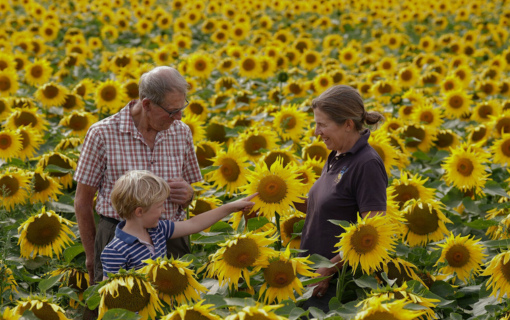
We have a number of exciting projects in the pipeline – especially where economic and environmental interests converge. We are moving forward with our current projects, such as tree planting, re-establishing habitats for monarch butterflies in the U.S., and engaging in regenerative agriculture to promote biodiversity on our land. Such projects energise me because they demonstrate how nature can be integrated meaningfully into our operations.

What would you say to other companies looking to get started with biodiversity initatives?

CO₂ is a global problem – but nature is local. There is no universal solution. So start at the local level, where it makes sense, and use the strengths in your team to devise appropriate actions. Engage with local stakeholders to set up joint initiatives that support nature and provide economic and social benefits. This way you also involve management and make the value of nature very clear. Biodiversity is at least as urgent as climate change.

More impact stories

With The Biodiversity Shift, you put nature restoration and conservation on your business agenda, right to the core of your operations. Are you ready to shift to a solid biodiversity strategy with insights, collaboration and policy impact for a nature-inclusive economy?

Overlay